More Services
- Home
- More Services
Resistance Decade Boxes Calibrations
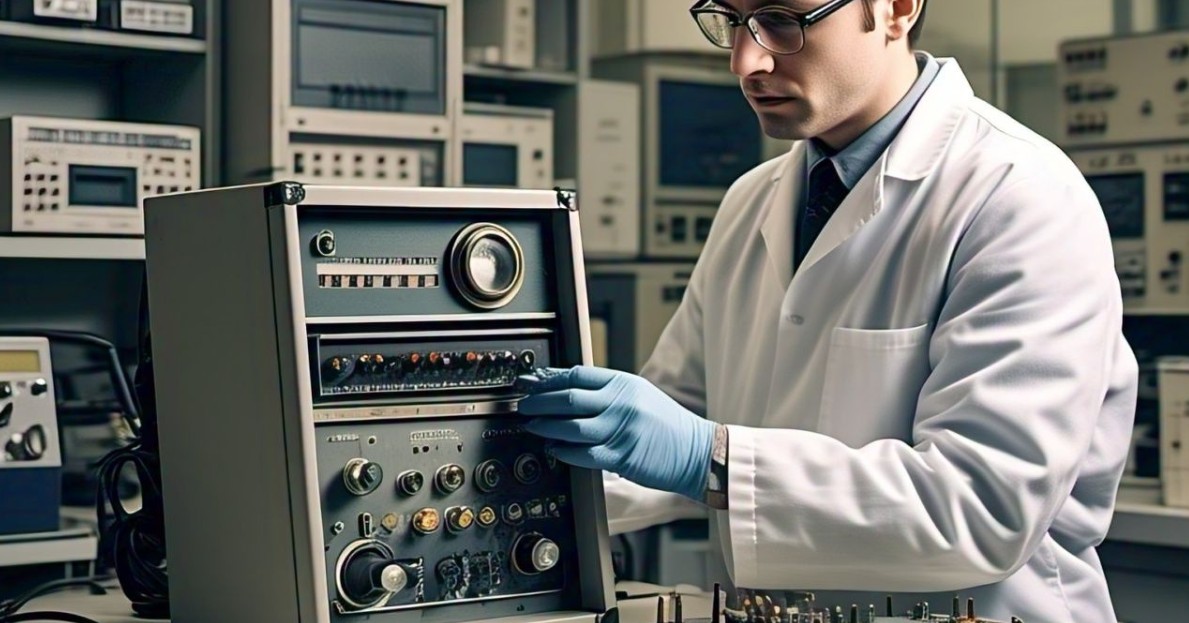
Resistance decade box calibration involves verifying and adjusting the accuracy of a resistance decade box, a precision instrument used to provide selectable resistance values for testing and calibration of electrical circuits and devices. The process includes checking the output resistance against certified reference standards, inspecting the switch contacts and resistive elements for wear or damage, and making necessary adjustments to ensure precise and repeatable resistance values. Regular calibration ensures reliable performance in laboratory and field applications, supports accurate measurements in instrumentation and circuit testing, maintains compliance with industry standards, and provides traceable documentation for quality assurance and equipment verification.
Oscilloscopes and Scope Meters Calibrations
Oscilloscope and scope meter calibration involves verifying and adjusting the accuracy of these instruments, which are used to measure and visualize electrical signals in time and voltage domains. The calibration process typically includes checking amplitude accuracy, timebase linearity, frequency response, trigger functionality, and probe compensation against certified reference standards. Any deviations are recorded and adjustments are made to ensure precise signal measurement and display. Regular calibration ensures reliable and repeatable readings, supports troubleshooting and testing in electronics and electrical systems, maintains compliance with industry and regulatory standards, and provides traceable documentation for quality assurance and equipment maintenance.
LCR Meter Calibrations
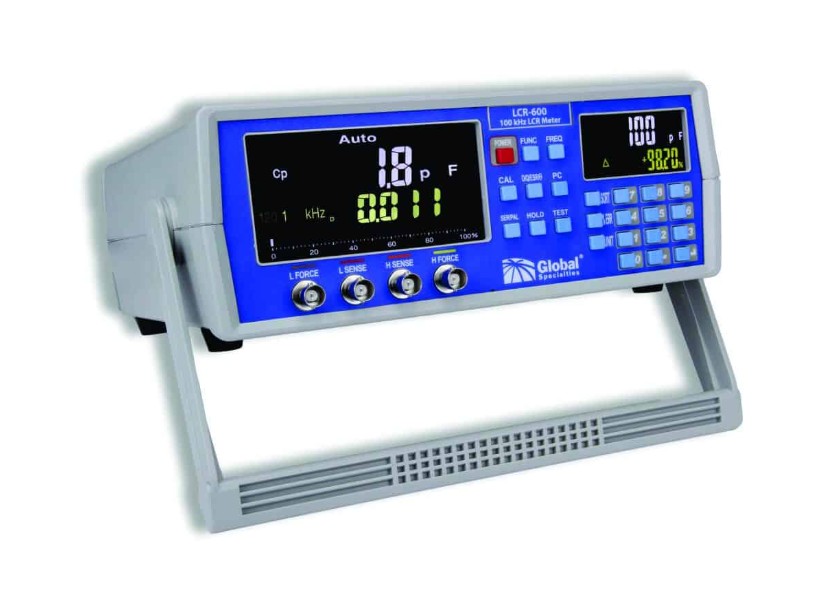
LCR meter calibration involves verifying and adjusting the accuracy of LCR meters, which measure inductance (L), capacitance (C), and resistance (R) of electronic components. The calibration process typically includes comparing the meter’s readings against certified reference standards or precision components across its measurement ranges and frequencies, inspecting for mechanical or electrical issues, and making necessary adjustments to correct deviations. Regular calibration ensures precise and reliable component measurements, supports quality control and circuit testing, maintains compliance with industry standards, and provides traceable documentation for equipment verification, audits, and maintenance records.
Dial Gauges Calibrations
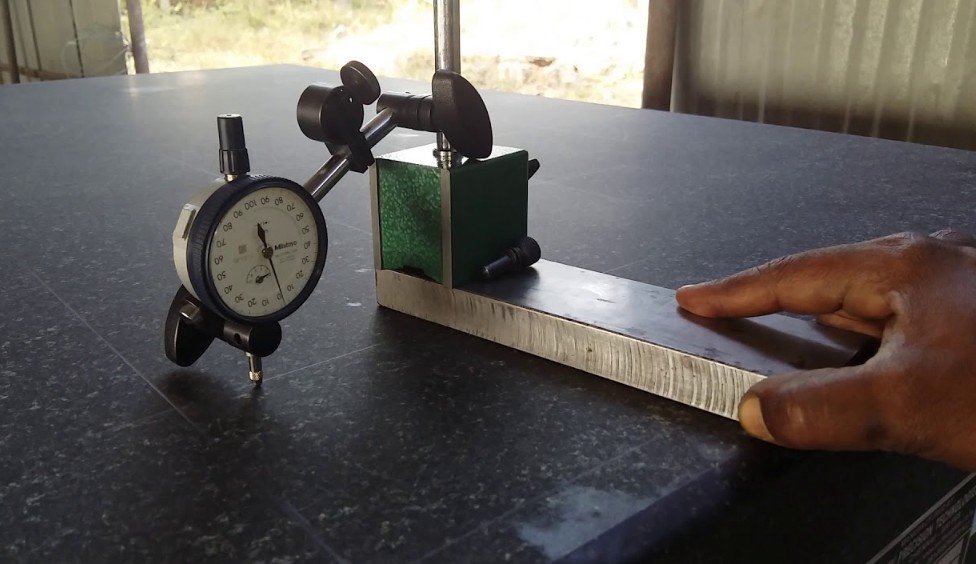
Dial gauge calibration involves verifying and adjusting the accuracy of dial indicators, which are precision instruments used to measure small linear distances or variations in mechanical components. The calibration process typically includes comparing the dial gauge readings against certified gauge blocks, precision standards, or surface plates, checking for smooth movement of the spindle, and inspecting the dial and mechanical components for wear or damage. Any deviations are recorded, and adjustments are made if necessary to ensure precise and repeatable measurements. Regular calibration ensures reliable dimensional measurements, supports quality control in machining and manufacturing, maintains compliance with industry standards, and provides traceable documentation for inspection and maintenance purposes.
Dynamometer Calibrations
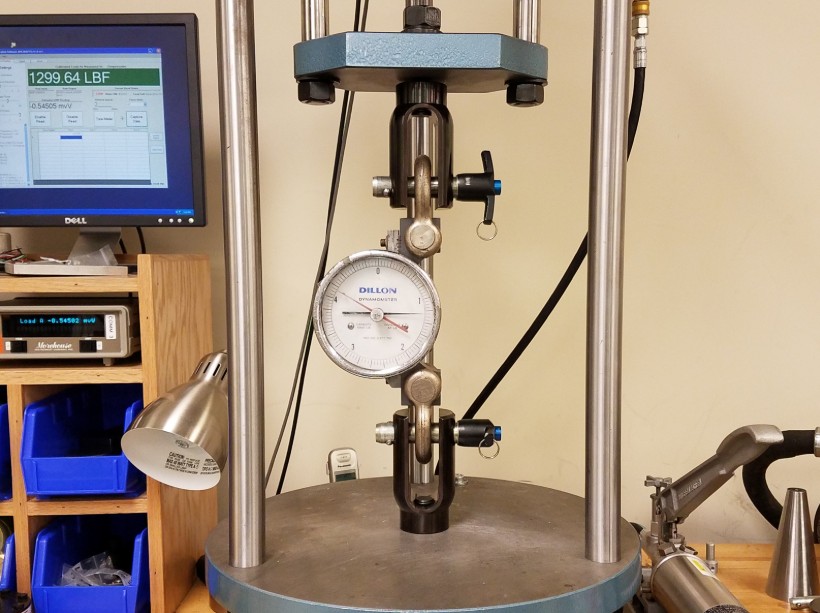
Dynamometer calibration involves verifying and adjusting the accuracy of dynamometers, instruments used to measure force, torque, or power in mechanical and industrial applications. The calibration process typically includes comparing the dynamometer’s readings against certified reference standards, inspecting mechanical and electronic components for wear or damage, and making adjustments to correct any deviations. Regular calibration ensures precise and reliable measurements of torque, force, or power, supports quality control and testing in manufacturing or laboratory settings, maintains compliance with industry and regulatory standards, and provides traceable documentation for audits, maintenance, and performance verification.