Calipers Calibrations

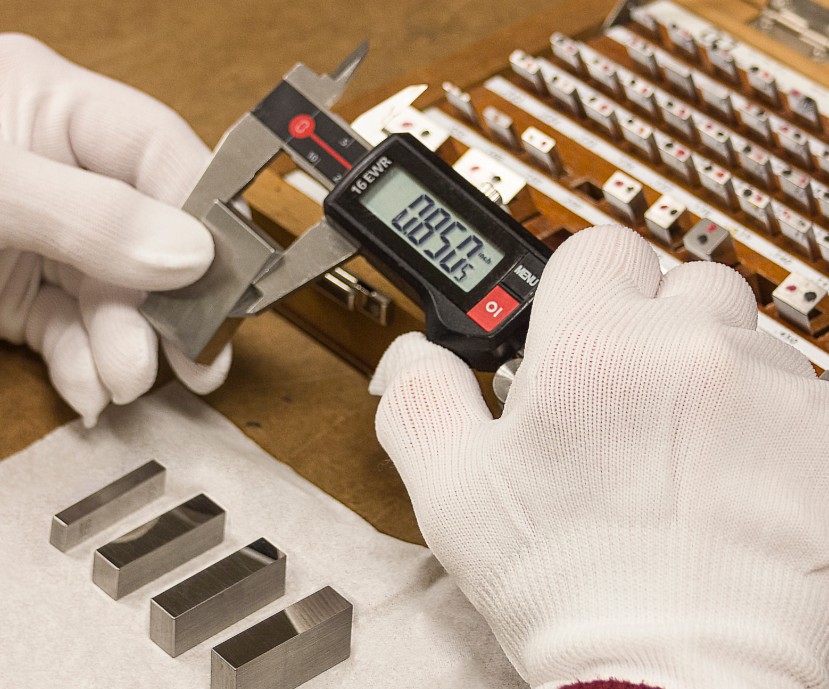
Caliper calibration involves verifying and adjusting the accuracy of measuring calipers—such as digital, dial, and vernier calipers—to ensure they provide precise dimensional measurements. The process includes inspecting the caliper for wear or damage, cleaning the measuring surfaces, and comparing its readings against certified gauge blocks or reference standards at multiple measurement points. Any deviations are recorded and corrected when possible. Regular calibration ensures reliable measurements in manufacturing, machining, and quality-control applications, supports compliance with industry standards, and maintains confidence in critical dimensional inspections.

Durometer Calibrations

Durometer calibration involves verifying and adjusting the accuracy of a durometer, an instrument used to measure the hardness of materials such as rubber, plastics, and elastomers. The calibration process typically includes checking the durometer’s readings against certified hardness reference blocks at different hardness levels, inspecting the instrument for wear or damage, and making necessary adjustments to ensure precise measurements. Regular durometer calibration ensures consistent and reliable hardness testing, supports quality control in manufacturing, maintains compliance with industry standards, and provides traceable documentation for product validation and inspection purposes.

Force Gauge Calibrations

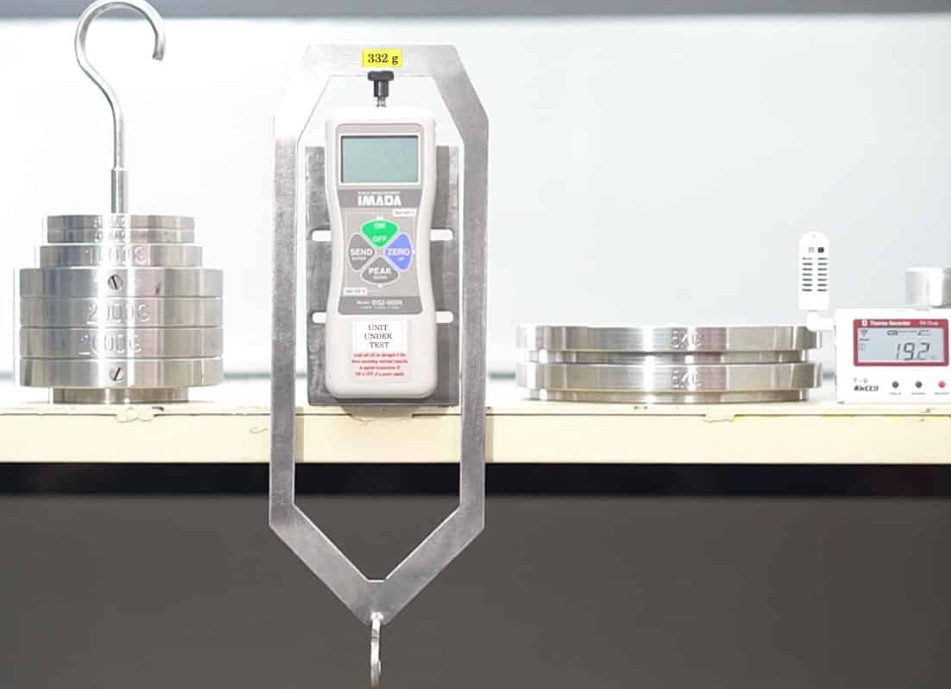
Force gauge calibration involves verifying and adjusting the accuracy of force measurement instruments used to measure tension, compression, or torque in industrial, laboratory, or production applications. The process typically includes comparing the gauge’s readings against certified reference standards, such as calibrated weights or precision load cells, across its full measurement range. Any deviations are recorded and adjustments are made if possible to ensure accurate and repeatable readings. Regular calibration ensures reliable force measurements, supports quality control, maintains compliance with industry and regulatory standards, and provides traceable documentation for testing and inspection purposes.

Micrometers Calibrations

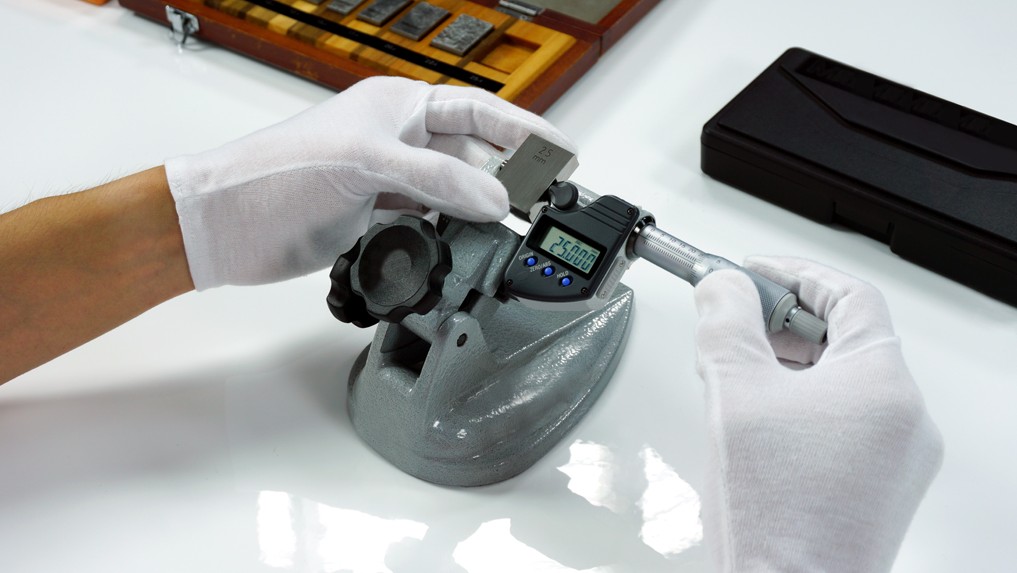
Micrometer calibration involves verifying and adjusting the accuracy of micrometers—precision measuring instruments used to measure small dimensions with high accuracy. The process includes inspecting the micrometer for wear or damage, cleaning the spindle and anvil surfaces, and comparing measurements against certified gauge blocks or reference standards at multiple points across its range. Any deviations are recorded, and adjustments are made if necessary to restore accuracy. Regular micrometer calibration ensures reliable and repeatable measurements in manufacturing, machining, and quality-control processes, supports compliance with industry standards, and provides traceable documentation for quality assurance and inspection purposes.

Torque Wrench Repairs and Calibrations

Torque wrench repairs and calibrations involve inspecting, servicing, and verifying the accuracy of torque wrenches, which are precision tools used to apply a specific torque to fasteners. The repair process includes checking for mechanical wear, replacing worn or damaged components, and ensuring smooth operation of the wrench mechanism. Calibration involves comparing the wrench’s output against certified torque standards across its measurement range, recording deviations, and making adjustments to restore accurate torque delivery. Regular repair and calibration ensure reliable performance, maintain safety in mechanical assemblies, support compliance with industry standards, and provide traceable documentation for quality assurance and maintenance records.
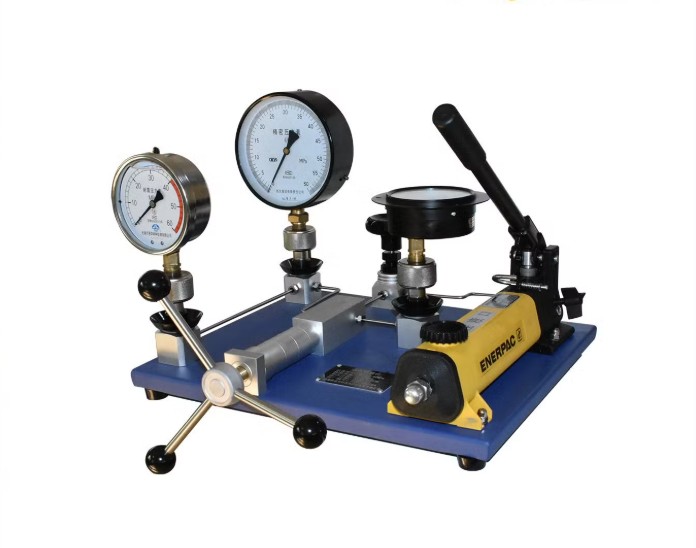
Crimping Tools Calibrations

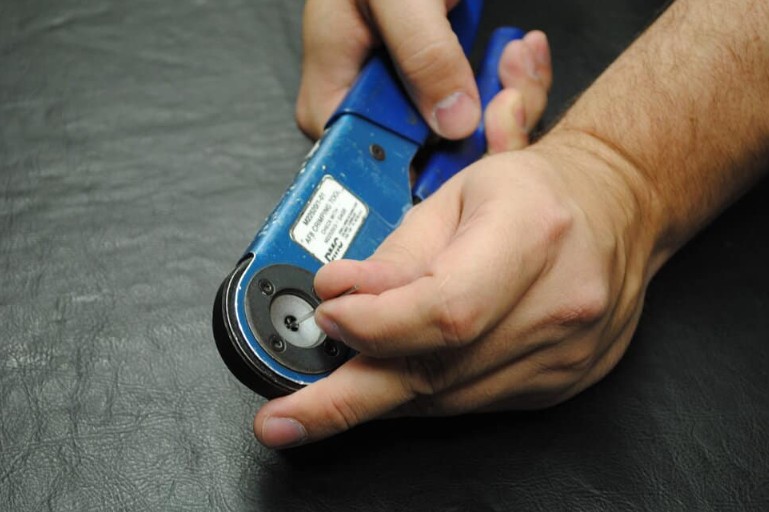
Crimping tool calibration involves verifying and adjusting the performance of crimping tools to ensure they form secure and consistent electrical or mechanical connections. The process typically includes inspecting the tool for wear or damage, cleaning contact surfaces, and testing crimps on sample conductors or connectors. Measurements are compared against manufacturer specifications or certified standards to confirm proper crimp height, pressure, and consistency. Regular calibration ensures reliable connections, prevents failures in electrical or mechanical assemblies, supports compliance with industry standards, and provides traceable records for quality assurance and maintenance purposes.