More Services
- Home
- More Services
Hydrostatic Testing
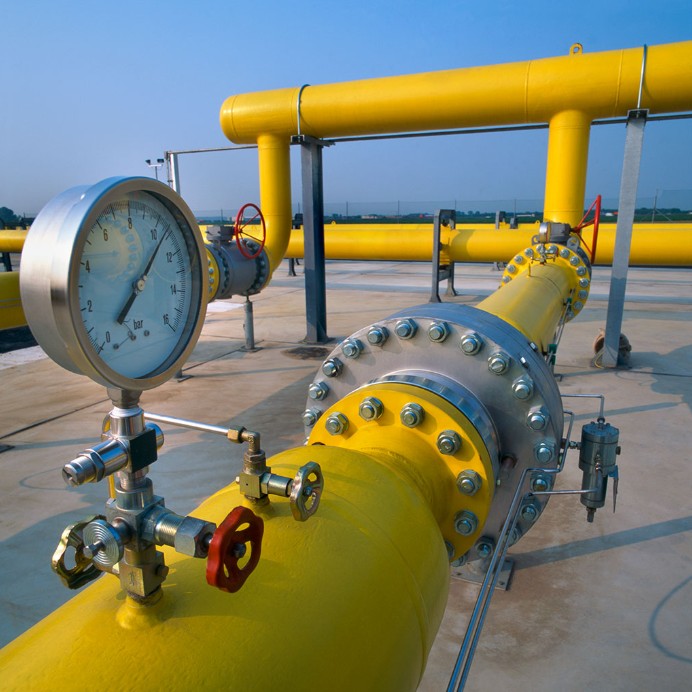
Hydrostatic testing is a pressure-based inspection method used to verify the strength, integrity, and leak-tightness of pipes, valves, tanks, cylinders, hoses, and other pressure-containing equipment. The process involves filling the component with water (or another incompressible fluid) and pressurizing it to a specified level—often above its normal operating pressure—to ensure it can safely withstand real-world conditions. During the test, technicians monitor for pressure drops, deformation, or visible leaks. Hydrostatic testing helps identify weaknesses before equipment is put into service, ensures regulatory and safety compliance, and provides documented assurance that the system is fit for use.
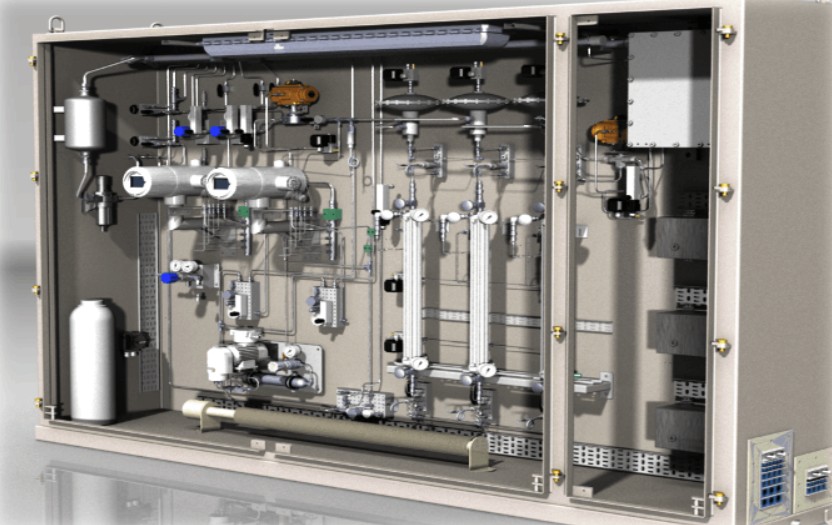
Sampling Systems
Sampling systems are used to safely and accurately collect representative samples of liquids, gases, or solids from industrial processes for testing and quality control. These systems are designed to ensure that samples are taken without contamination, pressure loss, or exposure to operators, maintaining both safety and product integrity. Sampling systems can be manual or automated and often include valves, probes, containers, and closed-loop mechanisms to capture the sample under actual process conditions. Proper sampling is critical for verifying product quality, ensuring regulatory compliance, detecting process issues early, and supporting reliable laboratory analysis.
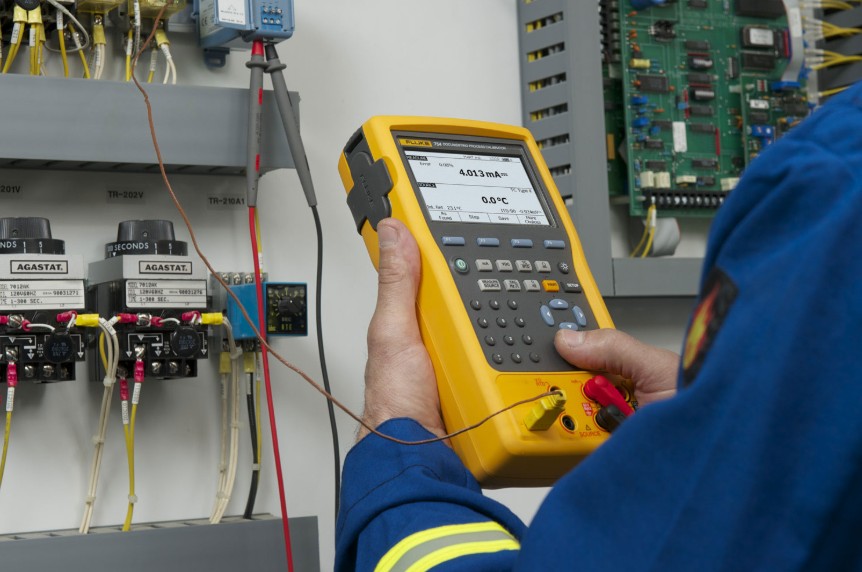
Process Calibrator/ Controllers Calibrations
Process calibrator/controller calibrations involve verifying and adjusting the accuracy and performance of instrumentation used to monitor and control industrial processes. This includes devices such as temperature, pressure, flow, and level controllers, as well as transmitters and sensors. Calibration ensures that the instruments provide precise readings and respond correctly to setpoints, which is essential for maintaining process efficiency, product quality, and safety. The process typically involves comparing instrument outputs to known standards using a process calibrator, documenting any deviations, and making adjustments as needed. Regular calibration also helps meet regulatory requirements and supports reliable process control.
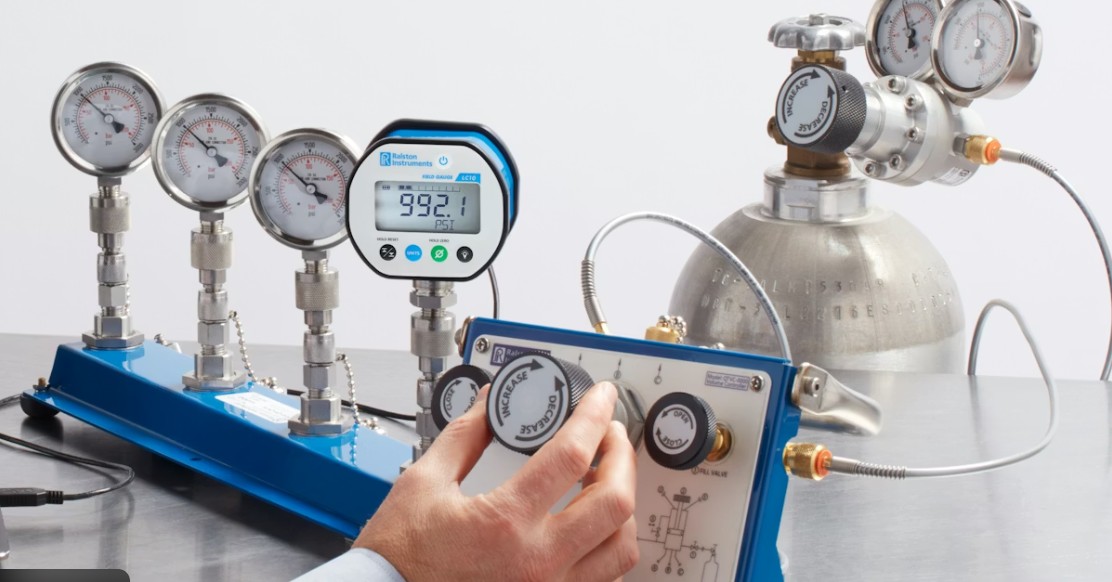
Master/ Process Gauge Calibrations
Master/process gauge calibrations involve verifying and adjusting the accuracy of pressure, temperature, or other process gauges used as reference or operational instruments in industrial systems. These calibrations compare the gauge readings against a certified master standard under controlled conditions to ensure precision and reliability. Accurate gauges are essential for safe and efficient process control, preventing equipment damage, and maintaining compliance with industry standards and regulatory requirements. Calibration typically includes documenting deviations, making necessary adjustments, and providing traceable records for quality assurance and operational accountability.
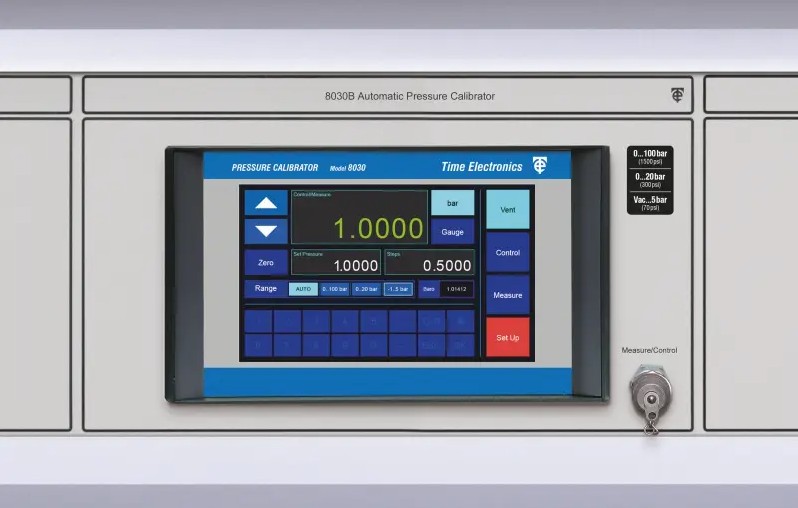
Pressure Modules/ Calibrators Calibrations
Pressure module/calibrator calibration involves verifying the accuracy and performance of pressure-measuring modules and multifunction calibrators used in industrial testing and instrumentation work. These devices are compared against certified reference standards to confirm that their pressure readings remain precise across the required measurement ranges. The process includes applying known pressures, recording deviations, adjusting the module or calibrator if necessary, and documenting all results for traceability. Regular calibration ensures reliable field measurements, supports compliance with industry and regulatory standards, reduces the risk of process errors, and maintains confidence in both troubleshooting and critical pressure-control applications.
Deadweight Tester Calibrations
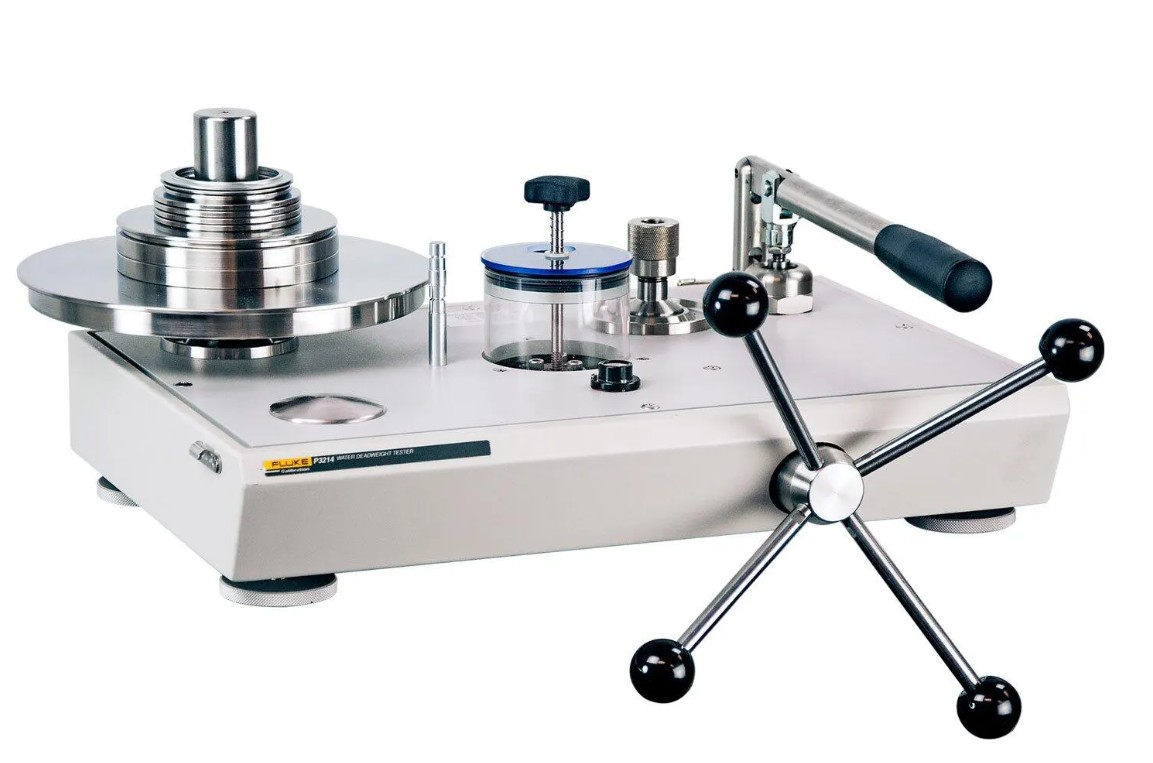
Deadweight tester calibration involves verifying and adjusting the accuracy of a deadweight tester, which is considered one of the most precise primary standards for pressure measurement. The process includes inspecting and cleaning the piston-cylinder assembly, checking weight sets for accuracy, and ensuring the system generates the correct pressure based on applied masses and local gravity. During calibration, the tester’s output is compared against certified reference equipment to confirm performance across its pressure range. Regular calibration ensures the deadweight tester maintains its role as a reliable pressure standard, supports traceability, meets regulatory and industry requirements, and guarantees accurate calibration of other pressure instruments.